


Model NO.: T100673
Composition | Organic | Type | Solvents |
Flux Type | Basic Flux | Usage | Dissolved |
Grade | Industrial Grade | Purity | 99.5% |
MOQ | 1ton | Appearance | Colorless Transparent Liquid |
Trademark | TICHEM | Transport Package | Iron Drum/IBC/ISO Tank |
HS Code | 2909499090 | Origin | China |
Propylene Glycol Monomethyl Ether, also known as PM or PGME (1-methoxy-2-propanol), is a glycol ether solvent with the molecular formula C4H10O2 and CAS number 107-98-2. Its EINECS number is 203-539-1. PM is produced through the reaction of propylene oxide with methanol, resulting in a colorless liquid with a mild, characteristic ether odor.
As a member of the propylene glycol ether family, PM combines both hydrophilic and lipophilic properties. Its structure contains both an ether group and a hydroxyl group, enabling it to dissolve a broad spectrum of substances, from water-soluble polymers to hydrophobic resins. This dual solubility makes PM a widely used coupling agent and solvent for commercial users in coatings, inks, and cleaning product manufacturing.
Property | Value |
|---|---|
Molecular weight (g/mol) | 90.1 |
Flash point (Setaflash Closed Cup) | 31°C (88°F) |
Boiling point @760 mmHg, 1.01 ar | 120°C (248°F) |
Liquid Density @20° C | 0.921 g/cm³ |
Freezing Point | -96°C (-141°F) |
Viscosity (cP or mPa•s @25°C) | 1.7 |
Vapor Pressure @20° C | 8.5 mmHg (1.56 kPa) |
Surface tension | 27.7 |
Relative Density (water = 1) | 0.919 at 25°C |
pH value | Not applicable |
Autoignition temperature | 287°C (549°F) |
Evaporation rate | 0.62 |
PM functions as an active solvent in solvent-based coating formulations, including epoxy systems and high-solids acrylic resins. It contributes to viscosity control and improves film formation and flow leveling. Industrial clients in the coatings sector use PM to adjust drying time and enhance the gloss and uniformity of cured films.
In gravure and flexographic printing ink systems, PM serves as both an active solvent and a tail solvent. Its evaporation profile supports controlled drying during the printing process, preventing issues such as ink drying on rollers or insufficient film formation. Business buyers in the packaging printing industry incorporate PM into water-based and solvent-based ink formulations as a coupling agent.
PM acts as a coupling agent and solvent in cleaning formulations for hard surfaces, rust removal, and general degreasing. Its ability to dissolve both oily soils and water-soluble contaminants makes it suitable for multi-purpose cleaning products. Enterprise customers in the cleaning products sector use PM in glass cleaners when combined with other glycol ethers.
In agricultural pesticide formulations, PM functions as a solvent and co-solvent for active ingredients. It also serves as an emollient in livestock pesticide products, where it helps maintain skin compatibility and product stability.
High-purity grades of PM find use in the electronics industry as photoresist strippers and precision cleaning solvents. Their solvency properties support the removal of organic contaminants from wafer surfaces.
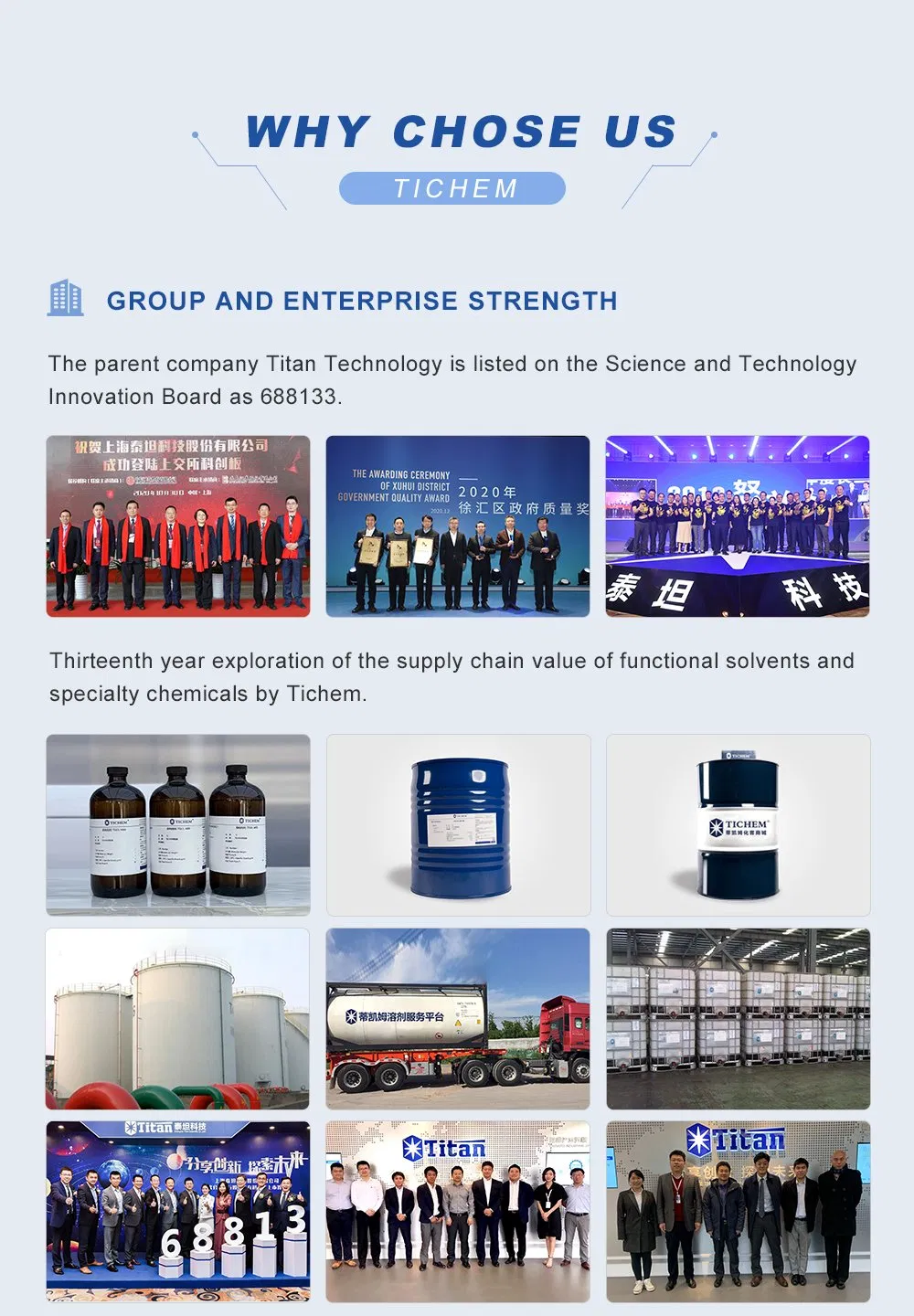
PM is supplied in standard industrial packaging options: 190 kg iron drums, 1000 KG IBC totes, and ISO tank containers for bulk orders. The minimum order quantity is 1 metric ton. HS Code for customs classification is 2909499090.
Standard delivery lead time is 7 - 15 working days from order confirmation. Bulk ISO tank shipments require 15 - 25 working days depending on destination port. Sample quantities for evaluation are available upon request.
PM is classified as a flammable liquid (Category 3) under GHS standards. Storage requires a cool, well-ventilated warehouse away from heat sources, open flames, and strong oxidizing agents. Containers should remain tightly sealed.
Personnel handling PM should wear chemical-resistant gloves, safety goggles, and appropriate protective clothing. Ensure adequate ventilation in work areas. Refer to the MSDS for complete safety information, including first-aid measures and spill handling procedures.
Standard industrial-grade PM has a minimum purity of 99.5%. Higher purity grades (≥ 99.9%) are available for specialized applications such as electronics manufacturing. Please specify grade requirements during procurement.
Yes, PM is fully miscible with water in all proportions at 20°C. It also shows compatibility with most organic solvents, including alcohols, ketones, esters, and aromatic hydrocarbons.
PM has an evaporation rate of 0.62 relative to n-butyl acetate (nBuAc = 1). This places it in the medium-fast evaporation range among glycol ethers, faster than heavier glycol ethers but slower than acetone or MEK.
Yes. PM is commonly used as a coupling agent and co-solvent in water-based formulations, including waterborne inks, latex paints, and aqueous cleaning products. Its dual solubility helps incorporate hydrophobic components into water-based systems.
When stored in original sealed containers under recommended conditions (below 30°C, away from direct sunlight and oxidizers), PM has a shelf life of 24 months from the date of manufacture.


