

Views: 0 Author: Site Editor Publish Time: 2025-12-08 Origin: Site


As environmental regulations tighten, eco-friendly paints are becoming more important. Consumers and manufacturers are increasingly shifting to sustainable solutions.
In this article, we will explore how DPM (Dipropylene Glycol Methyl Ether) solvent is revolutionizing the paint industry. Its low VOC emissions and excellent solvency make it a key ingredient in eco-friendly formulations.
You will learn about the role of DPM in enhancing both performance and sustainability in paint products.
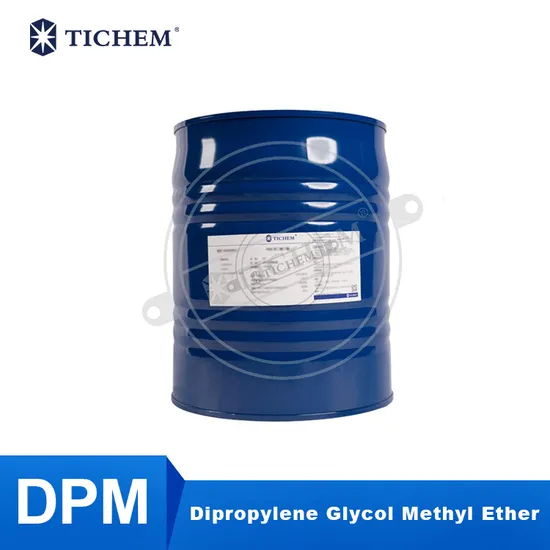
Eco-friendly paints have become a major trend in the coatings industry. This surge is largely driven by increasing environmental awareness and stricter regulations around volatile organic compounds (VOCs), which are harmful to both health and the environment. As a result, more consumers and manufacturers are shifting towards safer and greener alternatives.
Market Drivers: The eco-friendly paint market has witnessed rapid growth in recent years. Governments worldwide are introducing tougher regulations to reduce VOC emissions, pushing industries to adopt low-emission solvents and materials. Consumers are becoming more conscious of their environmental impact and prefer products that contribute to a healthier environment. This shift is especially noticeable in sectors like construction and automotive, where paints are heavily used.
Technological Advancements: Advances in paint formulation technology have enabled the development of paints that meet both performance and environmental standards. Innovations such as the use of biobased solvents and sustainable ingredients are reshaping the industry. One such solution is the integration of Dipropylene Glycol Methyl Ether (DPM) solvent, which offers a green alternative to traditional solvents. This enables paints to perform effectively without compromising environmental safety.
Traditional solvents, often derived from petroleum, have long been a staple in the paint industry due to their effectiveness in dissolving pigments and improving flow properties. However, these solvents can contribute to air pollution and pose significant health risks.
Dangers of Traditional Solvents: The high VOC content in conventional paints leads to indoor air pollution, which can cause respiratory issues and other health problems. Long-term exposure to solvents like acetone and toluene has been linked to various diseases, including cancer. The environmental toll is also significant, as these chemicals can contribute to smog formation and negatively affect ecosystems.
Regulatory Pressure: Governments around the world are tightening restrictions on the use of high-VOC solvents. The European Union, the U.S., and other regions have implemented stricter laws to limit VOC emissions from paints and coatings. These regulations are pushing manufacturers to find viable alternatives that maintain performance while reducing environmental and health risks.
As industries seek safer, greener alternatives to traditional solvents, DPM has emerged as an ideal choice for formulating eco-friendly paints. DPM offers several environmental benefits, including low toxicity, minimal VOC emissions, and excellent solvency, which make it a strong contender for replacing conventional petroleum-based solvents.
Eco-Friendly Advantages of DPM: DPM is a colorless, low-viscosity liquid that provides excellent solvency without the harmful effects associated with traditional solvents. Its use in paint formulations results in a significantly lower VOC content, contributing to healthier indoor air quality. Unlike many conventional solvents, DPM is biodegradable, ensuring minimal environmental impact.
Alignment with Green Chemistry: DPM fits perfectly into the principles of green chemistry. It is derived from renewable resources and reduces the need for harmful chemicals in the formulation of paints. The solvent’s properties enhance the stability, performance, and environmental safety of the end product, aligning with the industry's shift towards sustainability.
Property | DPM (Dipropylene Glycol Methyl Ether) | Traditional Solvents (e.g., Acetone, Toluene) |
Toxicity | Low | High |
VOC Emissions | Minimal | High |
Solubility | Excellent | Good |
Viscosity | Low | High |
Biodegradability | Biodegradable | Often non-biodegradable |
Environmental Impact | Low | High |
Flow and Applicability | High | Moderate to High |
DPM’s molecular structure and properties make it an excellent choice for eco-friendly paint formulations. Understanding these properties is crucial to maximizing its potential in paint applications.
Molecular Structure and Solubility: Dipropylene Glycol Methyl Ether (DPM) has a unique molecular structure that enables it to dissolve a wide range of resins, pigments, and additives. It has a low viscosity, which allows it to blend easily with other components in paint formulations, improving the overall workability of the product. The solubility of DPM also ensures uniform dispersion of pigments, resulting in smoother, more consistent finishes.
Comparison with Other Solvents: When compared to traditional solvents like glycol ethers and acetone, DPM stands out due to its lower toxicity and better performance in environmentally friendly applications. While glycol ethers are often more hazardous and less biodegradable, DPM offers similar solvency power without compromising on environmental safety. This makes it a preferred choice for formulations that require both high performance and eco-friendliness.
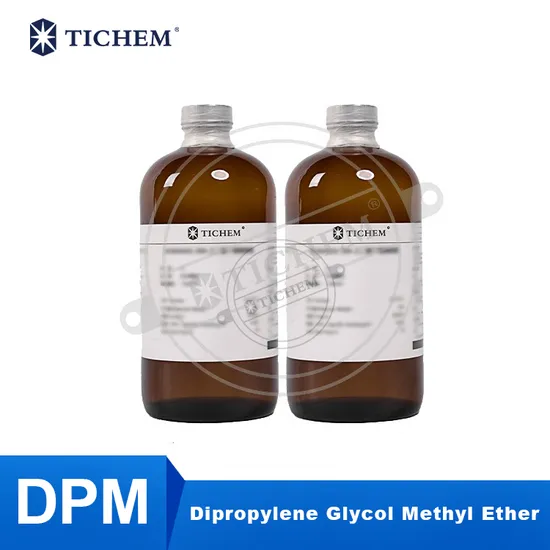
DPM solvent significantly enhances the performance of eco-friendly paints, contributing to improved flow properties, drying speed, and surface quality.
Flow and Applicability: One of the key benefits of DPM in paint formulations is its ability to improve flow properties. This ensures that the paint spreads evenly on surfaces, providing a smoother finish. It also helps in maintaining the consistency of the paint, making it easier to apply without the risk of streaking or uneven coverage.
Drying Speed and Surface Quality: DPM also plays a crucial role in enhancing the drying speed of paints. Its solvent properties help the paint to dry faster, reducing the risk of dust particles sticking to the surface. This leads to a cleaner, more uniform coating. Additionally, DPM helps maintain the quality of the surface by ensuring a smooth, streak-free finish.
As a Thickener and Dispersant: In paint formulations, DPM acts as both a thickener and a dispersant. It helps to stabilize the suspension of pigments and other solid particles in the paint, ensuring that the paint maintains its consistency and performance over time. This also improves the longevity and durability of the paint, making it more resistant to wear and tear.
Applications in Water-Based and Oil-Based Paints: DPM is versatile and can be used in both water-based and oil-based paints. In water-based formulations, it enhances the dispersal of pigments and helps to stabilize the paint. In oil-based paints, DPM acts as a solvent, improving the flow and adhesion properties while maintaining a low environmental impact.
When incorporating DPM into paint formulations, it is important to balance its concentration with other ingredients to achieve the desired performance. Optimizing DPM's role in the formula can significantly enhance the final product.
DPM Solvent Proportions and Paint Performance: The concentration of DPM in a paint formula affects several key characteristics, including viscosity, flow, and drying time. By adjusting the amount of DPM, manufacturers can fine-tune the paint’s performance to meet specific requirements.
Synergy with Other Ingredients: DPM works in synergy with other ingredients in the paint formula, such as resins, pigments, and additives. By carefully selecting the right combinations, manufacturers can optimize the performance of the paint without compromising its environmental benefits.
Performance testing is essential to evaluate the effectiveness of DPM in paint formulations. Experimental data can help manufacturers fine-tune the formulations to maximize their performance.
Testing the Effects of DPM Concentration: Experimental testing demonstrates how varying the concentration of DPM affects paint properties such as adhesion, hardness, and durability. As the concentration of DPM increases, paints generally show improved flow and drying times without increasing VOC content, offering a balance between sustainability and performance.
Case Studies of Formulation Optimization: Several case studies have shown how DPM can optimize paint formulations. For instance, one company reduced VOC emissions by 30% while maintaining similar performance levels compared to traditional paints. This was achieved by incorporating DPM as the primary solvent, resulting in a high-performance, eco-friendly product.
Real-World Examples: Many paint manufacturers have successfully integrated DPM into their formulations, benefiting from its eco-friendly properties and superior performance. These case studies demonstrate how DPM can be used to create high-quality, low-VOC paints suitable for both residential and industrial applications.
Comparison with Traditional Paint Formulations: When compared to traditional formulations, DPM-based paints show similar or even superior performance. DPM not only reduces VOC levels but also improves paint workability and durability, making it a smart choice for manufacturers aiming to meet both regulatory standards and customer expectations.
Global Market Trends: The demand for DPM is expected to rise significantly, particularly in regions like North America, Europe, and Asia-Pacific. As the eco-friendly paint market continues to expand, DPM’s role as a sustainable solvent will grow, driving its adoption across various industries.
Expanding Applications: Beyond traditional paint applications, DPM is also gaining traction in automotive coatings, construction, and home improvement. As sustainability becomes a top priority in these industries, DPM’s versatility makes it an ideal choice for a wide range of applications.
Future Directions in DPM Development: There is considerable potential for further innovations in DPM formulations. Research into renewable sources and improvements in DPM purity are expected to enhance its performance and sustainability. Future DPM developments will likely focus on enhancing its eco-friendliness while ensuring it meets the increasing demands of the paint industry.
Green Chemistry Innovations: DPM’s contribution to green chemistry is clear. It is part of a broader movement in the chemical industry towards sustainable formulations. As manufacturers strive to meet new environmental standards, DPM will play a key role in achieving these goals.
Regulatory Influence: Stricter environmental regulations are driving the adoption of low-VOC solvents like DPM. As governments enforce stricter rules on emissions, DPM will become an increasingly important solvent in the paint industry, helping manufacturers meet these regulatory standards.
Compliance and Market Entry: DPM’s ability to comply with green certifications ensures that products using this solvent can easily enter markets that require low-emission, eco-friendly solutions. This makes DPM an essential component in the formulation of paints that are both high-performance and compliant with modern environmental standards.
DPM solvent plays a crucial role in formulating eco-friendly paints. Its low VOC emissions and excellent solvency offer significant environmental and performance benefits.
As consumer demand and regulations drive the growth of eco-friendly paints, DPM’s market potential continues to rise.
Paint manufacturers, including those at Shanghai Tichem Industrial Co., Ltd., can leverage DPM to enhance product performance and meet sustainability goals, offering high-value solutions for a greener future.
A: DPM (Dipropylene Glycol Methyl Ether) is a low-toxicity solvent with minimal VOC emissions. It's used in eco-friendly paints to improve performance while reducing environmental impact.
A: DPM enhances paint flow, drying speed, and surface quality. It helps achieve smooth finishes, faster drying times, and better pigment dispersion in eco-friendly paints.
A: DPM is biodegradable, low in toxicity, and emits minimal VOCs, making it an excellent choice for manufacturers aiming to create sustainable and high-performance paints.
A: Yes, DPM is versatile and works well in both water-based and oil-based paints, improving flow, dispersion, and adhesion in each formulation.
A: DPM's low VOC content and biodegradability make it a more eco-friendly alternative to traditional solvents, contributing to healthier indoor air quality and lower environmental impact.


